 Tiger block machine

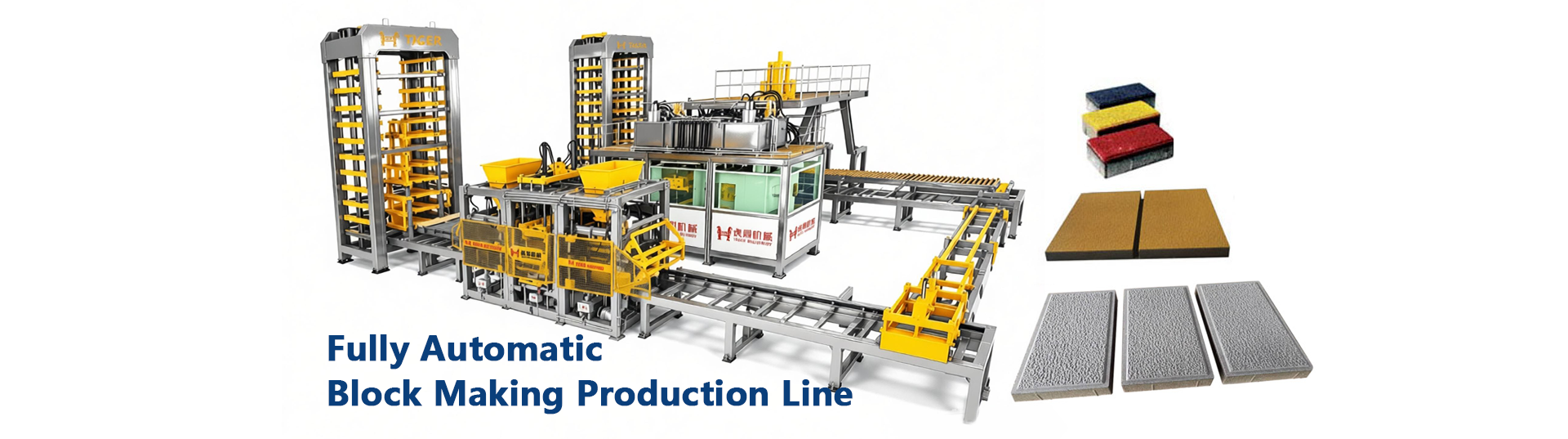
Many people find their interlocking bricks weak or not solid. A core reason often links to the interlocking brick making machine used in production. Interlocking bricks need precise molding and sufficient compression for stability. Improper use or low-quality equipment often leads to loose, un firm structures.
First, the interlocking brick making machine’s pressure directly affects brick density. If the machine doesn’t provide enough hydraulic pressure—usually 14 to 18 MPa per industry standards—it can’t fully compact raw materials. Internal gaps then make the bricks fragile. This issue is common in low-quality machines without precise pressure control. The Tiger brand interlocking brick making machine has advanced hydraulic systems to ensure uniform compression and dense bricks.
Second, the interlocking brick making machine’s mold precision is another key factor. Poorly accurate molds cause inconsistent brick sizes and imperfect interlocking joints. This leads to loose connections between bricks. Tiger brand machines use high-precision steel molds, with errors controlled within 0.2 mm, to avoid this problem. Cheap machines with worn or uncalibrated molds often produce bricks that don’t lock tightly, resulting in weak performance.
Improper material mixing and insufficient curing also make bricks weak. But the interlocking brick making machine lays the foundation for brick quality. Choosing a reliable machine like the Tiger brand—with precise control and high-quality components—greatly reduces the risk of weak interlocking bricks and ensures long-term stability.