 Tiger block machine

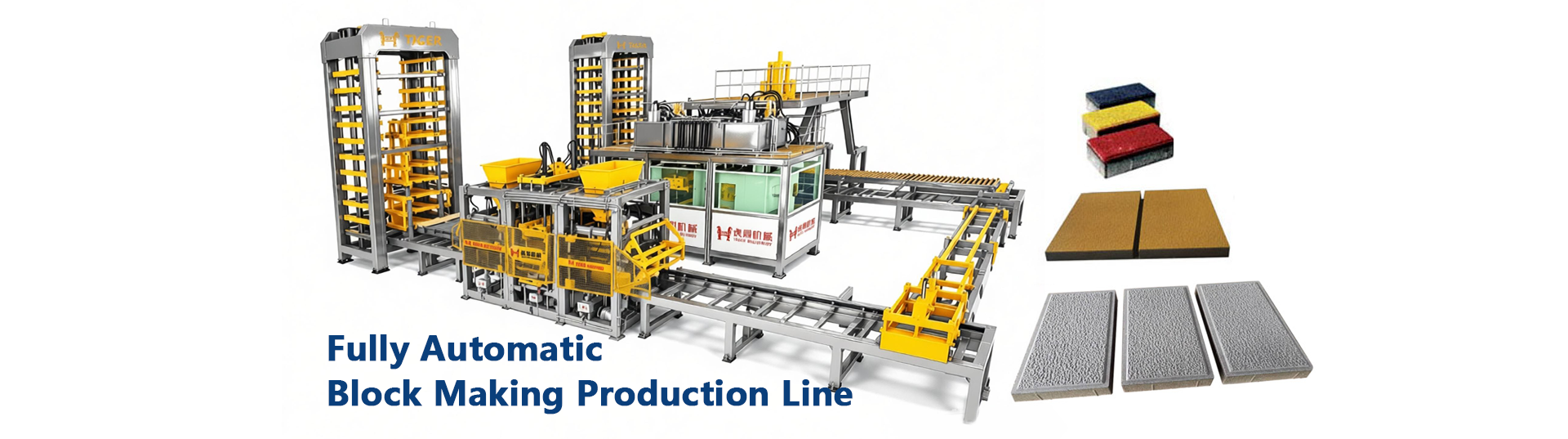
A block cuber machine often encounters jamming issues during daily operation, which seriously affects block production efficiency and damages machine components. The block cuber machine is core equipment for shaping concrete and building blocks, and its stable operation is the key to continuous industrial production. Even high-quality Tiger brand block cuber machine, known for its durability and stable performance, may suffer from jams due to improper operation and poor daily maintenance.
Several key factors lead to block cuber machine jams. First, uneven or unqualified raw materials are the most common cause. Overly wet concrete mixtures or oversized aggregate particles easily accumulate in the feeding port and molding channel, blocking material transmission. Second, insufficient lubrication and worn mechanical parts increase operational friction. Long-term running without regular oiling will wear bearings and conveyor components, causing operational stuck and jamming. Third, irregular manual operation such as overloading feeding and misadjusting operating parameters will exceed the machine’s working load and trigger blockages.
Targeted solutions can effectively solve and prevent jamming failures. Firstly, operators must strictly screen raw materials to ensure uniform particle size and moderate humidity, and clean the feeding system regularly to remove residual materials and dust. Secondly, follow the maintenance standard of Tiger brand equipment to lubricate moving parts weekly and replace worn accessories timely to keep mechanical operation smooth. Finally, standardize operation procedures, avoid overfeeding, and adjust machine parameters according to production demands.
In conclusion, most jams of the block making machine stem from raw material problems, poor maintenance and non-standard operation. With standardized operation and regular maintenance, users can minimize failures, extend machine service life and ensure stable and efficient block production.