 Машина для изготовления блоков «Тигр»

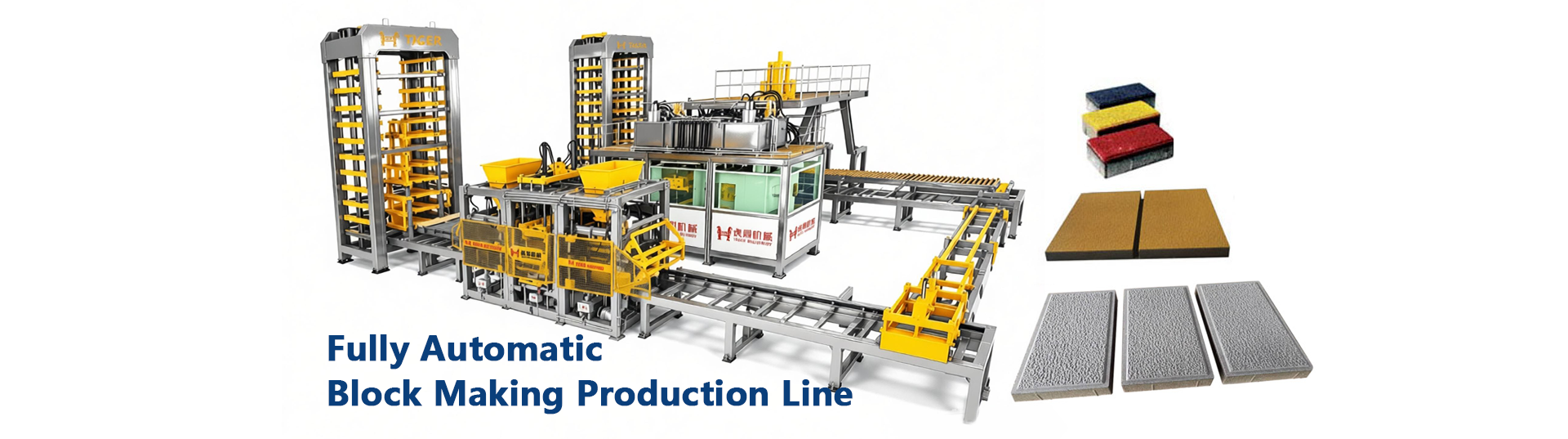
To make high-quality compressed earth bricks with stable structure and good durability, choosing the right soil is crucial, and the performance of a compressed earth brick machine also plays a key role in exerting the soil’s potential. The ideal soil for compressed earth bricks is a well-proportioned mixture of clay, sand, and silt, which not only meets the forming requirements of the machine but also ensures the bricks’ strength and weather resistance.
The core component of the soil is clay, which should account for 20% к 30% of the total mixture. Clay acts as a natural binder, enabling the soil particles to bond tightly under the pressure of the machine. Too much clay will make the bricks prone to cracking when dried, while too little will lead to poor cohesion and easy damage. Sand, accounting for 40% к 70%, acts as a stabilizer to enhance the brick’s hardness and prevent deformation, which is essential for the machine to form bricks with uniform density.
Silt, making up 10% к 25%, can improve the soil’s workability, allowing it to be easily filled into the mold of the machine and compressed into a solid shape. It is important to avoid soil with high organic content or large rocks, as these impurities will weaken the bricks’ structure and damage the mold of the machine over time.
For those using the tiger brand compressed earth brick machine, selecting soil with the above proportions can maximize the machine’s performance, producing bricks that are eco-friendly, cost-effective, and suitable for sustainable construction. This soil-machine matching not only improves production efficiency but also ensures the long-term service life of the compressed earth bricks.