 Машина для изготовления блоков «Тигр»

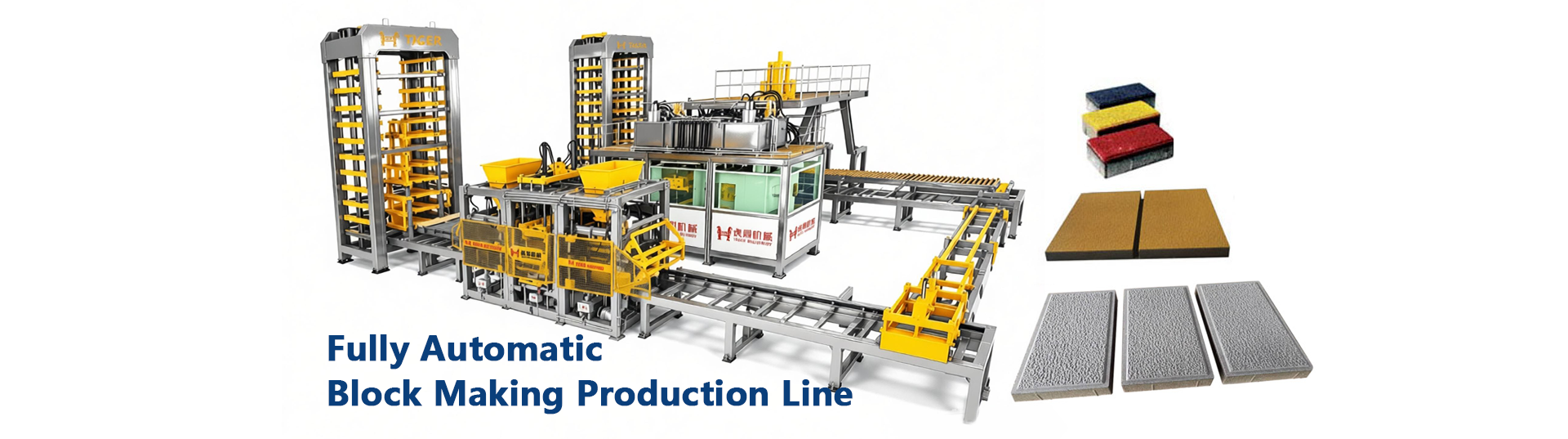
Hollow blocks are widely used in construction for their light weight and thermal insulation. The hollow block making machine is key to their quality, as various factors—including this machine’s performance—affect their strength and durability. Many weak or cracked hollow blocks come from production, transportation, or construction issues, with the hollow block making machine’s quality being a primary cause.
Firstly, the hollow block making machine’s quality and operation directly determine block density and uniformity. Inferior machines or improper operation—such as insufficient vibration or uneven feeding—leave air bubbles inside blocks. This reduces compressive strength and makes blocks easy to crack. The Tiger brand hollow block making machine has advanced vibration and hydraulic systems. It ensures full compaction and uniform mixing, effectively reducing such defects.
Secondly, poor raw material quality and mismatched proportions also cause weakness and cracks. Improperly proportioned cement, sand, and aggregate mixtures lack cohesion. Low-quality raw materials have the same effect. Even a high-quality hollow block making machine cannot make strong blocks with substandard raw materials. Inadequate post-production curing—like rapid drying or insufficient moisture—also causes shrinkage cracks as blocks harden.
Окончательно, improper transportation and construction damage blocks. Rough handling during transportation creates micro-cracks, which expand under load. During construction, using weak blocks or applying mortar improperly weakens the structure further. To avoid weak or cracked hollow blocks, choose a reliable hollow block making machine like the Tiger brand and follow standard production and construction practices.