 Máquina de bloco tigre

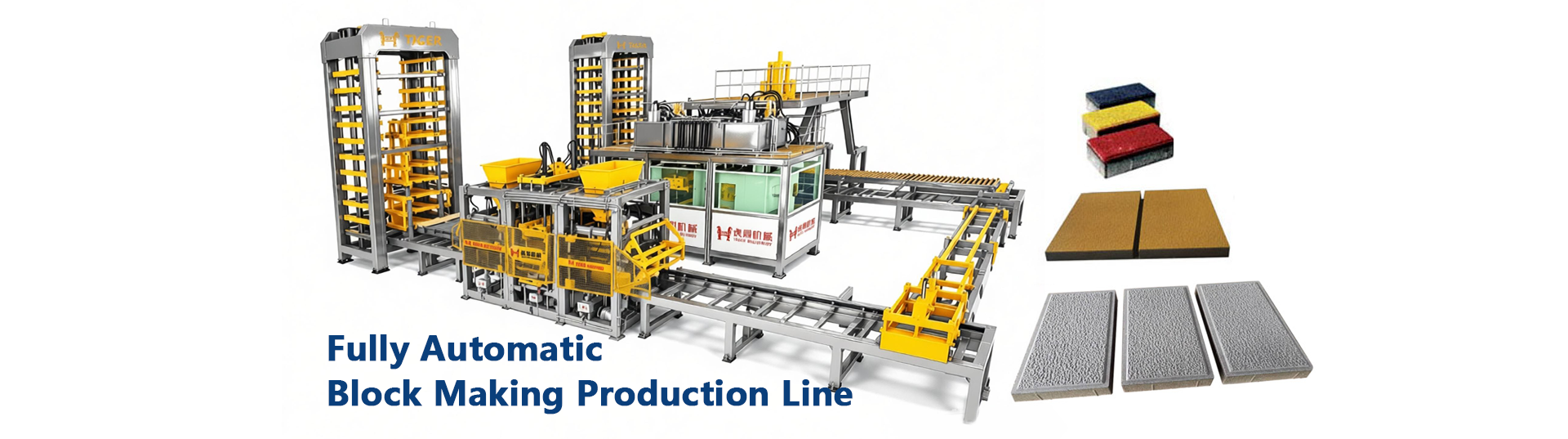
Block making equipment plays a vital role in modern construction, and vibration block machines and hydraulic block machines are two mainstream types with distinct characteristics that cater to different project needs. Understanding their differences is crucial for choosing the right block making equipment to improve construction efficiency and product quality. The Tiger brand, a reputable manufacturer in the industry, offers both types of machines, each designed to meet specific production requirements.
The core difference lies in their forming principles. Vibration block machines rely on high-frequency vibration to compact raw materials like cement and aggregates into blocks. They are cost-effective, easy to operate, and suitable for small to medium-scale projects, such as residential building walls. No entanto, their blocks have relatively lower density and strength, making them less ideal for high-load-bearing structures.
In contrast, hydraulic block machines use high-pressure hydraulic force combined with moderate vibration to form blocks. This dual compaction ensures higher density, better dimensional accuracy, and stronger compressive strength, which is perfect for large-scale commercial projects and load-bearing structures like highways and high-rises. Though they have a higher initial investment, their long-term efficiency and product quality make them valuable for large enterprises.
Another key distinction is maintenance and energy consumption. Vibration machines have simpler structures, requiring less maintenance, while hydraulic machines need regular checks on hydraulic systems to avoid oil leaks. The Tiger brand optimizes both types, enhancing the durability of vibration machines and improving the energy efficiency of hydraulic ones, making them more competitive in the block making equipment market. Geral, the choice depends on project scale, orçamento, and block performance requirements.