 Machine à blocs de tigre

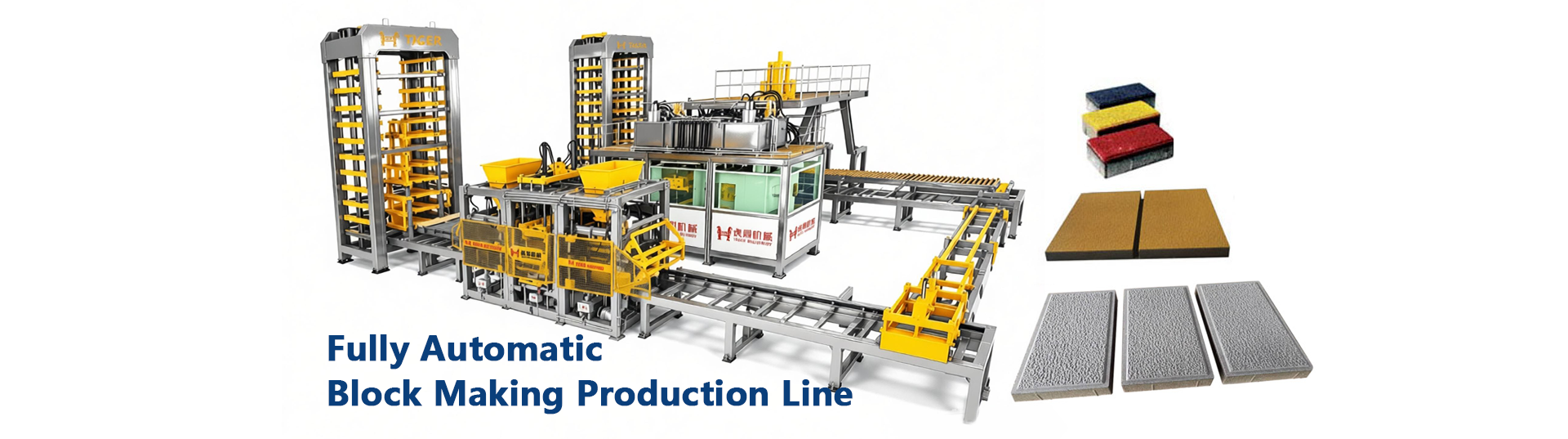
A clay brick making machine is a core device for brick production, and its price varies widely in the global market. Many buyers struggle to figure out the hidden drivers behind these price gaps. Knowing the key factors helps buyers pick the right machine without overspending.
Automation level is the top factor affecting clay brick machine price. Fully automatic models cost far more than semi-automatic or manual versions. They come with PLC controls and need less manual labor, while boosting daily output sharply.
Manual and semi-automatic clay brick making machines fit small workshops with tight budgets. They have simple structures and lower upfront costs. However, they need more workers and produce far fewer bricks each day.
Core component quality also pushes price changes. Machines with durable hydraulic parts and wear-resistant molds cost more. These parts cut maintenance fees and extend the machine’s service life.
Brand reputation is another key point. Trusted brands like Tiger set higher prices for their clay brick making machines. Tiger machines use premium materials and stable technology, with reliable after-sales support to match.
Production capacity and after-sales service affect pricing too. Machines with higher daily output need stronger motors and bigger frames, so they cost more. Free installation, training and maintenance also add to the total cost.
In short, automation, parts, brand and capacity shape the final price. Buyers should balance their budget and production needs to make a smart choice.