 Tigerblockmaschine

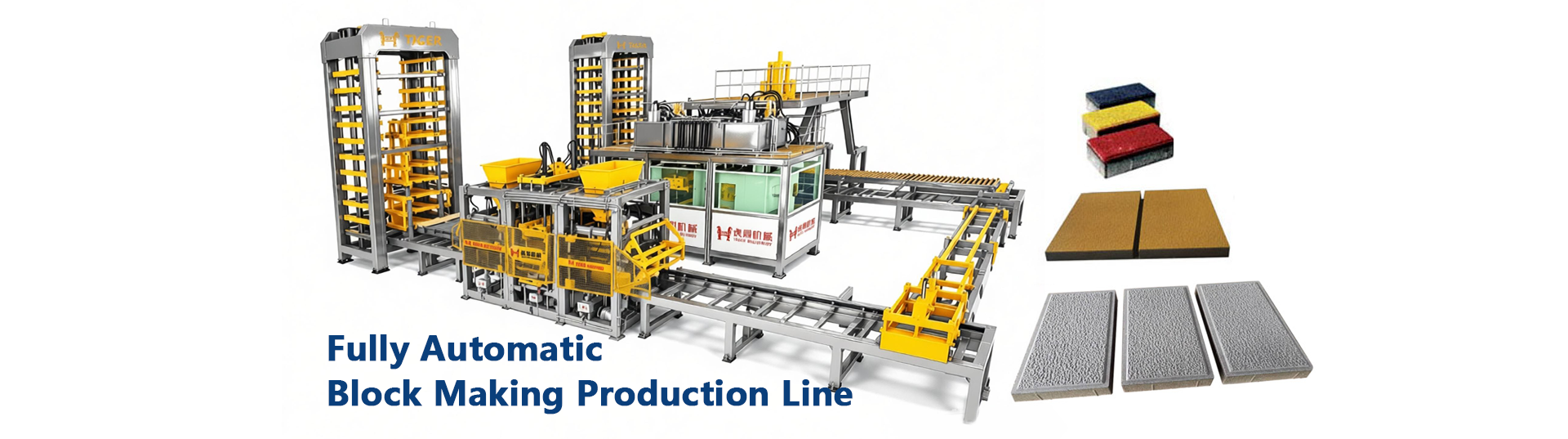
An interlocking brick making machine is a specialized device that produces interlocking bricks through compression, and many people wonder whether it can use soil only as the raw material. The short answer is no—pure soil alone cannot meet the requirements of producing qualified interlocking bricks, even though soil is the core raw material for this machine.
Soil is essential for making interlocking bricks, as it is low-cost, widely available, and environmentally friendly. Jedoch, pure soil lacks sufficient strength and stability. When pressed by an interlocking brick making machine, pure soil bricks are easy to crack, crumble, or lose shape after drying or encountering moisture. This is because soil needs a stabilizer to enhance its cohesion and durability.
The common practice is to mix soil with a small amount of stabilizers such as cement (normalerweise 5-10% of the soil volume) and appropriate water. The stabilizer binds soil particles tightly, improving the brick’s strength and weather resistance. Some regions also add lime or fly ash as auxiliary stabilizers, depending on the local soil quality.
Although an interlocking brick making machine cannot use soil only, it maximizes the use of local soil resources, reducing transportation costs and environmental impact. This makes it ideal for low-cost construction in rural areas or regions with limited building materials. In summary, while soil is the primary raw material, the interlocking brick making machine requires a proper mix of soil and stabilizers to produce high-quality, durable interlocking bricks that meet construction standards.