


When selecting a block making machine, understanding the key types and their operational differences is critical to matching equipment to production needs, budget, and scalability. The market offers four primary categories: hydraulic, mechanical vibration, fully automatic, and semi-automatic block making machine models, each with distinct advantages tailored to specific use cases.
Hydraulic Block Making Machines
Hydraulic block making machine units rely on high-pressure hydraulic systems to compact concrete mixtures into dense, uniform blocks. This technology excels at producing high-strength load-bearing blocks, pavers, and interlocking stones, making it ideal for large-scale commercial construction projects. Hydraulic machines minimize material waste and deliver consistent quality, though they come with a higher upfront cost and require regular maintenance of hydraulic components.
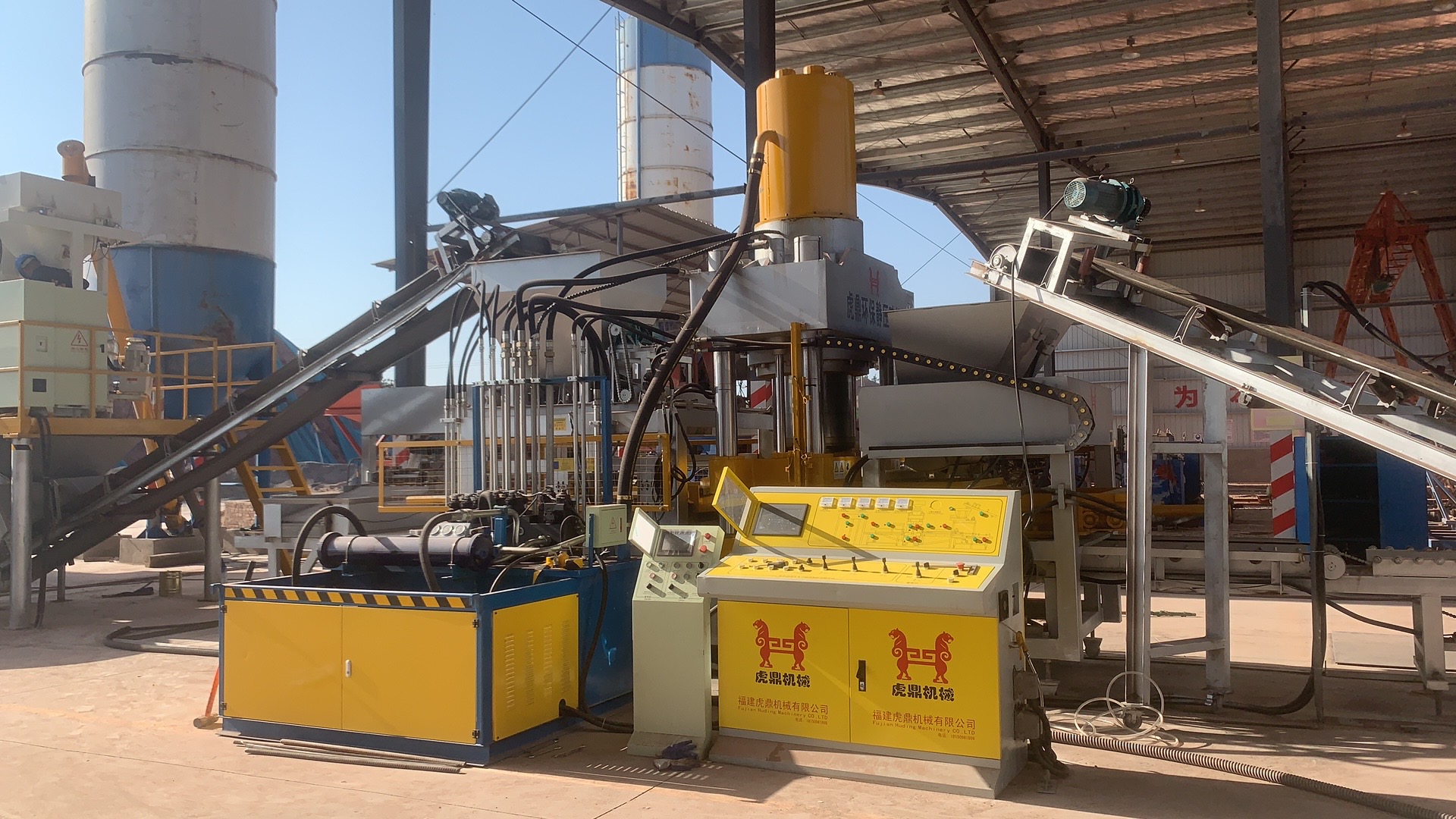
hydraulic press block machine
Mechanical Vibration Block Making Machines
Mechanical vibration block making machine models use motor-driven vibration to settle concrete into molds, relying on gravitational force and vibration rather than extreme pressure. These machines are cost-effective, energy-efficient, and well-suited for small to medium-scale operations producing non-load-bearing blocks or decorative pavers. While they have a lower production capacity compared to hydraulic alternatives, their simple design makes them easy to operate and maintain.
Fully Automatic Block Making Machines
Fully automatic block making machine systems integrate material feeding, mixing, molding, curing, and palletizing into a single automated workflow. With minimal human intervention, these machines can produce thousands of blocks per hour, making them perfect for high-volume production facilities. They offer precise control over block dimensions and quality, but their complexity requires skilled operators and significant investment in infrastructure.
Semi-Automatic Block Making Machines
Semi-automatic block making machine models balance automation and manual labor, automating core molding and compaction processes while requiring manual input for material loading and block unloading. This versatility makes them a popular choice for small businesses or contractors with fluctuating production demands. Semi-automatic machines are more affordable than fully automated systems and easier to adapt to custom block designs.
In conclusion, choosing the right block making machine depends on evaluating production volume, block type requirements, budget, and available labor. Hydraulic and fully automatic models prioritize speed and quality for large-scale projects, while mechanical vibration and semi-automatic options offer flexibility and cost savings for smaller operations.